Beef: Multibreed genetic evaluation

Beef: Multibreed genetic evaluation

The establishment of ‘multibreed beef genetic evaluation and livestock credentials’ is listed as one of five bold ambitions in the MLA Strategic Plan 2030. This page provides information about the establishment of national, industry-wide, multibreed beef genetic evaluations.

Introducing multibreed genetic evaluations


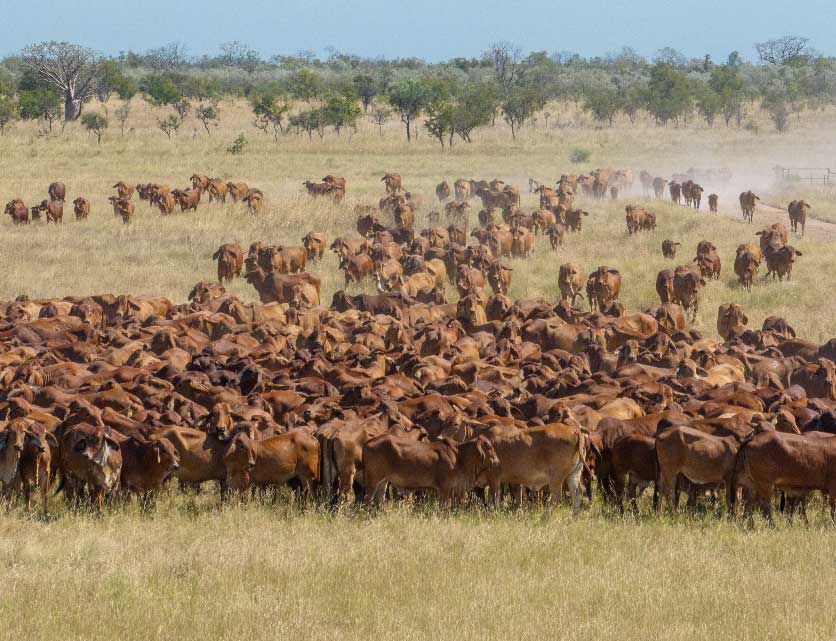
Tropical and temperate evaluations: Two beef multibreed genetic evaluations are initially being established, with one evaluation for tropical breeds (TROPBEEF) and one for temperate breeds (TEMPBEEF).

New selection tools: The multibreed genetic evaluations will deliver new selection tools (Australian Cattle Breeding Values or ACBVs, Australian Cattle Genomic Values or ACgVs, and Australian Cattle Genetic Profiles) that will enable the beef industry to improve productivity, profitability and sustainability through faster genetic improvement.

Timelines: The establishment of multibreed beef genetic evaluation is in a research and development phase. Once the research and development phase is complete, the TROPBEEF and TEMPBEEF evaluations will be made available for industry review and consultation, before progressing to commercialisation. At this stage, the TROPBEEF genetic evaluation is scheduled for commercial release in November 2027, followed by the TEMPBEEF genetic evaluation in November 2028.

Breeds targeted for inclusion


tropbeef

tempbeef

Benefits of multibreed genetic evaluation


Multibreed beef genetic evaluations offer several significant benefits to the beef industry.

Provides breeders with better tools for genetic improvement

More informative measures of an animal's genetic merit, helping accelerate rates of genetic gain and delivering additional improvements throughout the beef supply chain.

Poster Image

Consolidation of evaluations for better delivery

Consolidating genetic evaluations improves efficiency, accelerates innovation and delivers better services.

Poster Image

Standard industry language for genetic credentials

Unlocks the potential for commercial animals to be sold with an industry recognised description of their genetic merit

Poster Image

Realises the benefit of industry research

Built on years of investment, multibreed evaluations convert research into real outcomes for Australian beef producers.

Poster Image

Multibreed selection tools


Beef multibreed genetic evaluations will deliver new selection tools that enable the beef industry to improve productivity, profitability and sustainability through faster genetic improvement.

Below is an overview of each of the new tools that will be available:

Australian Cattle Breeding Values (ACBVs)
Australian Cattle Genomic Values (ACgVs)

Australian Cattle Genetic Profile (GenProfile)

Livestock credentials – coming soon

Next generation of breeding values


Beef multibreed genetic evaluations provide a platform for a range of traits, with new breeding values for:

  • Methane emissions, which will contribute to Australia’s net zero ambitions.
  • Female reproduction, enabling improved selection for female fertility – an important driver of profitability in beef breeding enterprises.
  • Carcase value i.e. the economic value of a carcase and its key drivers (weight, yield and eating quality). This will provide a more direct measure of an animal’s genetic capacity to generate value.
  • Structural soundness, including locomotion and feet/leg conformation using computer vision-based phenotyping technology rather than subjective scores.
  • Male fertility, combining traits such as percent normal sperm, mass, motility and sperm abnormalities, along with bull measurements such as body weight, scrotal circumference and sheath score.
  • Adaptation, identifying animals with a better ability to maintain productivity, health and welfare when exposed to environmental and parasite challenges such as heat stress, buffalo flies and cattle ticks.
  • Mature cow resilience, reflecting the ability of females to maintain adequate body condition and reproductive performance under the ongoing demands of a commercial breeding herd.
  • Immune competence, enabling selection for healthier, more resilient cattle with reduced susceptibility to disease and lower reliance on animal health interventions.

Contacts

Got questions? Contact an MLA staff member to find out more.

Andrew Byrne, Program Manager – Genetics Commercial Services

Clara Bradford, Program Manager – Livestock Genetics R&D

Peta Bradley, Genetics Business Development Manager